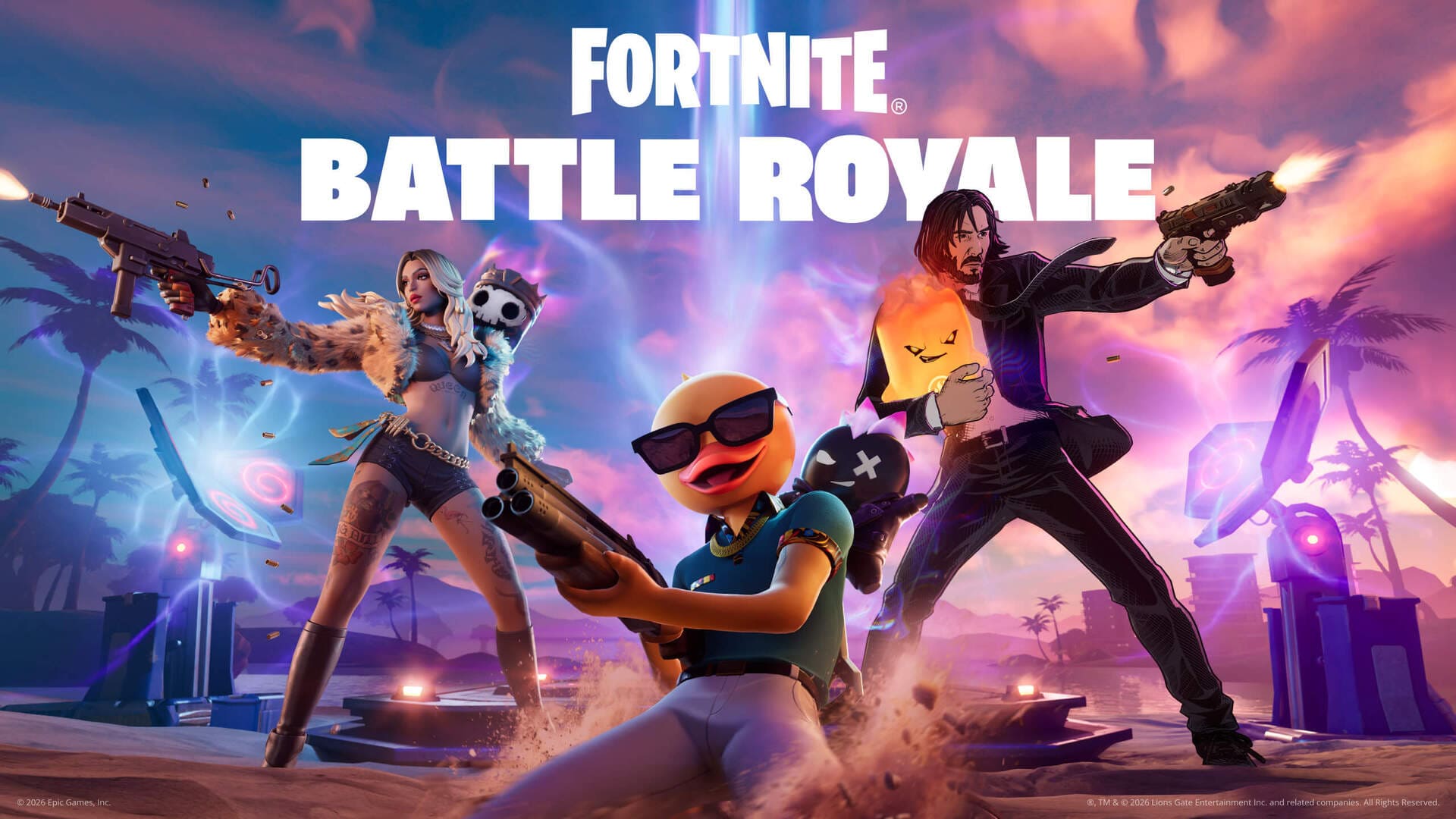

It’s funny to think about now, but there was a time when you couldn’t go a single day without hearing about Fortnite.
It didn’t matter if you were into shooters, racing games, RPGs, or even if you barely played games at all. Somehow, Fortnite found its way into every conversation. Schools were talking about it. Parents were asking what all the dancing was about. Streamers couldn’t stop playing it. Even people who had never touched a battle royale suddenly knew what a Victory Royale was.
So what actually happened? Why this game?
It Arrived at the Perfect Time
Battle royale games were already becoming popular. PUBG had shown that dropping dozens of players onto one map could create unforgettable moments, but it also felt serious. Slow movement, realistic weapons, and matches where one mistake could end everything.
Then Fortnite came along and offered something completely different.
Movement was quicker. Matches moved at a faster pace. Losing didn’t feel quite as punishing because you could jump straight into another game. It was easier to understand, easier to share with friends, and before long, it became the battle royale that almost anyone could pick up.
Building Made Every Fight Different
Love it or hate it, building became Fortnite’s signature feature.
The first few hours usually looked the same for everyone. You’d gather wood, brick, and metal without really knowing why. Then someone would suddenly build an entire tower in what felt like two seconds, and you’d realize there was a whole other layer to the game.
It completely changed firefights.
Winning wasn’t only about aiming well. Players could create cover, reach higher ground, escape dangerous situations, or completely outplay someone who had better weapons. Every fight became unpredictable, and watching experienced players build at incredible speed almost looked like watching a different game altogether.
It Never Sat Still
A lot of multiplayer games launch, receive a few updates, and settle into a routine.
Fortnite never seemed interested in that.
One season would reshape the island. The next would introduce strange new mechanics. Weapons disappeared, new ones took their place, and suddenly everyone had to figure things out again.
Some updates were loved. Others… not so much.
But there was always something happening.
Players had a reason to come back, even if they had taken a break for a few months. The game constantly felt alive instead of frozen in time.
It Turned Gaming Into an Event
This might be the biggest reason Fortnite became more than just another online shooter.
The live events.
Seeing a rocket launch, watching the island transform, or logging in for a massive in-game concert felt genuinely new at the time. Instead of simply releasing trailers, Epic Games invited millions of players to experience moments together inside the game.
For many people, those events became memories almost as important as winning matches.
It Welcomed Everyone
Not every multiplayer game is easy to recommend to friends.
Fortnite was different.
It was free to play, available on almost every platform, and supported cross-play long before that became common. Suddenly, someone on a PlayStation could squad up with a friend on PC or Xbox without thinking twice.
That sounds normal today.
Back then, it felt surprisingly refreshing.
Streamers Helped, But They Weren’t the Whole Story
It’s easy to point at Twitch and YouTube and say, “That’s why Fortnite exploded.”
They definitely played a huge role.
Watching creators pull off impossible plays or discover the newest updates made people want to jump in themselves. But streaming alone doesn’t create a phenomenon.
Plenty of games become popular with creators for a few weeks before fading away.
Fortnite managed to keep people interested because the game itself kept giving players something new to talk about.
Looking Back
It’s easy to forget just how massive Fortnite became.
For a few years, it wasn’t simply one of the biggest games in the world—it was gaming for millions of people. It blurred the line between video game, social platform, and live entertainment in a way that nobody had really pulled off before.
Whether you still play it or moved on years ago, it’s hard to deny its impact. It changed how developers think about live-service games, seasonal content, and online communities. Plenty of games have borrowed ideas from Fortnite since then, but very few have captured that same lightning-in-a-bottle feeling.
Maybe that’s what made Fortnite so popular in the end.
It wasn’t just one great mechanic or one clever idea.
It was a game that always gave people a reason to come back tomorrow.